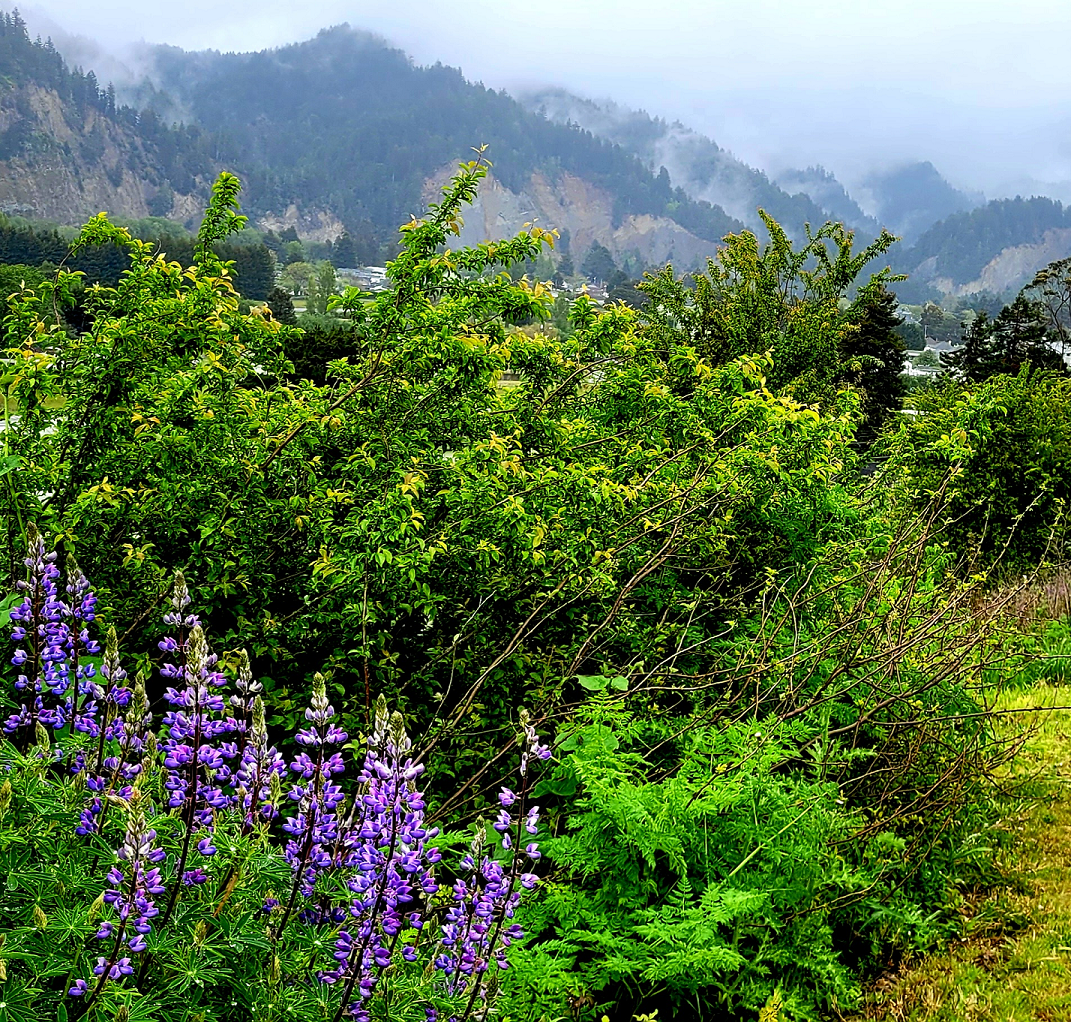
Why are Trinidad’s Winter Coastal Walks the Ultimate North Coast Adventure?
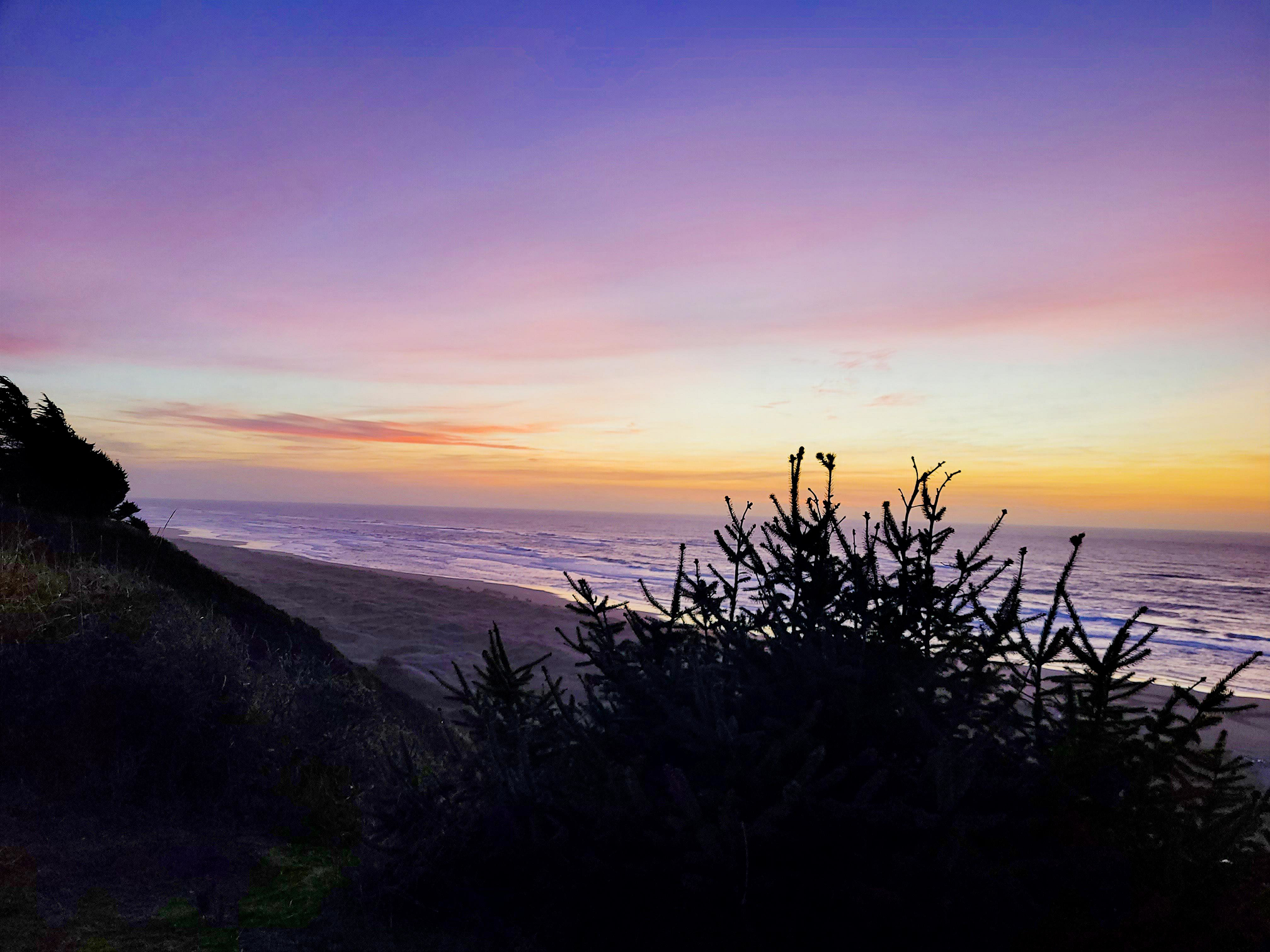
Discover the best winter coastal walks in Trinidad, CA. From whale watching on Trinidad Head to storm-watching at Sue-meg, explore Humboldt's most scenic trails.
The Magic of Winter on the Trinidad Coast
When the summer crowds dissipate and the heat of August gives way to the crisp, moist air of the colder months, Trinidad, California, transforms into a dramatic stage for nature’s most powerful performances. While many travelers retreat indoors during the rainy season, seasoned locals know that winter is arguably the most rewarding time to explore the coastline. Between December and April, the Pacific Ocean sheds its sapphire tranquility for a more rugged, metallic grey, bringing with it the awe-inspiring spectacle of the annual Gray Whale migration and the raw power of North Pacific swells.
Trinidad is not just a seaside village; it serves as one of five gateways to the California Coastal National Monument, a designation that protects the thousands of islands, rocks, and reefs that decorate this shoreline. In the winter, these offshore rocks become the frontline for massive waves that can reach heights of 20 to 30 feet during peak storm events. As noted by local experts at Camp Trinidad, "Winter storms here are theater. Giant Pacific swells slam into the cliffs, sending sea spray stories high. The air smells like salt and seaweed, and you can feel the wind in your teeth." This sensory immersion is exactly what makes the winter coastal walks in this region so distinctive compared to the more manicured trails found near Old Town Eureka or the Arcata Plaza.
Trinidad Head: A 360-Degree Vantage Point
The crown jewel of winter walking in this area is undoubtedly the Trinidad Head Trail. This 1.7-mile loop trail ascends the massive promontory that protects and forms the harbor, offering wrap-around views from a series of vantage points that is simply unparalleled on the North Coast. In the winter, the climb is invigorated by the cool breeze, and the reward at the summit is a panoramic look at the whale migration corridor. Approximately 20,000 Gray Whales pass by this point twice a year, heading south to Baja and north again to the Arctic.
As you navigate the trail, keep your binoculars ready. Look for the tell-tale 'blow'—a misty spout on the horizon. On a clear winter day, it is not uncommon to see multiple whales in a single hour. But the whales aren't the only residents. Below the cliffs, on the rocks surrounding the Trinidad Pier, you will often find harbor seals and California sea lions hauled out, their barks echoing against the stone walls. The trail itself is a blend of dense coniferous forests and open bluffs, which, according to California State Parks, provides "epic views of the Pacific Ocean" that feel remarkably secluded even when you are just minutes from the village center.
Sue-meg State Park and the Rim Trail
Just a short drive north of Trinidad lies Sue-meg State Park (formerly Patrick’s Point). For those seeking a more substantial trek, the Rim Trail is the gold standard. This trail stretches 3.125 miles long on its own, but when combined with various spur trails to locations like Wedding Rock, Patrick’s Point, and Palmer’s Point, the total hike extends to roughly 4.5 miles. This distance makes it a perfect half-day excursion for those who want to experience the full diversity of the Humboldt coastline.
The Rim Trail winds through ancient Sitka spruce forests where the ground is often carpeted in vibrant green moss and ferns, thriving in the coastal moisture. At Palmer’s Point, the trail descends to a rugged beach known for some of the best tide-pooling in the region. In the winter, the low tides reveal a hidden world of sea anemones, ochre stars, and sculpins, though hikers must remain extremely cautious of 'sneaker waves'—an unusually large, rushing wave that can appear without warning during the high-surf season.
The Little River Coastal Trail: A Community Legacy
For a change of pace, the Little River Coastal Trail offers a glimpse into the ongoing efforts to preserve this landscape. Managed by the Trinidad Coastal Land Trust (TCLT), this area has seen significant investment over the last decade. Following a feasibility study in 2014 and the acquisition of priority parcels in 2015, the TCLT has been a lead advocate for connecting these coastal gems. Walking here allows you to see the confluence of fresh and salt water, a vital habitat for local salmonids and shorebirds.
Unlike the high bluffs of the Head, the walks near Little River and Moonstone Beach provide a more intimate connection with the sandy shore. During the winter, the mouth of the Little River often shifts, carving new paths through the sand and depositing driftwood that looks like natural sculpture. It is a favorite spot for 'beachcombing' after a big storm, where one might find agates or sea glass washed up by the heavy surf.
Storm Watching and Local Comforts
Safety is paramount when exploring Trinidad in the winter. The Trinidad State Beach Overlook is a designated safe spot to watch the raw power of the ocean without putting yourself at risk of the surging tide. Here, you can watch the waves collide with Prisoner Rock and the sea stacks of the harbor from a protected elevation. The sheer scale of the water moving against the land is a humbling reminder of the Pacific's power.
After a morning spent in the salt spray, the local tradition is to retreat to the village for warmth. A stop at the Trinidad Bay Eatery is almost mandatory for hikers. Their hot coffee and world-class clam chowder provide the perfect caloric recharge after a trek through the wilds. The sense of community in Trinidad is palpable in the winter; while the summer is for the tourists, the winter belongs to the locals and the whales.
Planning Your Winter Trek
According to Backcountry Press, the dramatic coastline protected by public ownership—including Elk Head and the beaches south of town—offers some of the most accessible yet wild hiking in California. To make the most of your trip, dress in layers. The weather in Trinidad can shift from bright sunshine to a localized rain squall in a matter of minutes. Waterproof boots are essential, as the trails can become muddy, especially on the wooded sections of the Trinidad Head loop.
- Total Whale Population: ~20,000 Gray Whales migrate annually.
- Peak Months: December through April for wildlife and storms.
- Safety Tip: Never turn your back on the ocean; keep an eye out for sneaker waves on lower beach trails.
Frequently Asked Questions
When is the best time for whale watching in Trinidad? The peak whale watching season in Trinidad is between December and April, coinciding with the Gray Whale migration. Trinidad Head offers the best land-based vantage point. Are the trails in Trinidad dog-friendly? Most trails on Trinidad Head allow leashed dogs, but regulations vary by park. Sue-meg State Park has specific restrictions on where dogs can go (generally allowed in campsites and on paved roads but not on most dirt trails). What is the length of the Rim Trail in Sue-meg State Park? The main Rim Trail is approximately 3.125 miles, but exploring all the scenic spurs and overlooks can bring the total distance to about 4.5 miles. Is there a fee to access these coastal walks? Trinidad Head and Trinidad State Beach are free to access. Sue-meg State Park requires a day-use vehicle fee (typically around $8-$10).
You Can Always Ask Xander
Have more questions about this story or Humboldt County? Xander is here to help.
More Local Stories
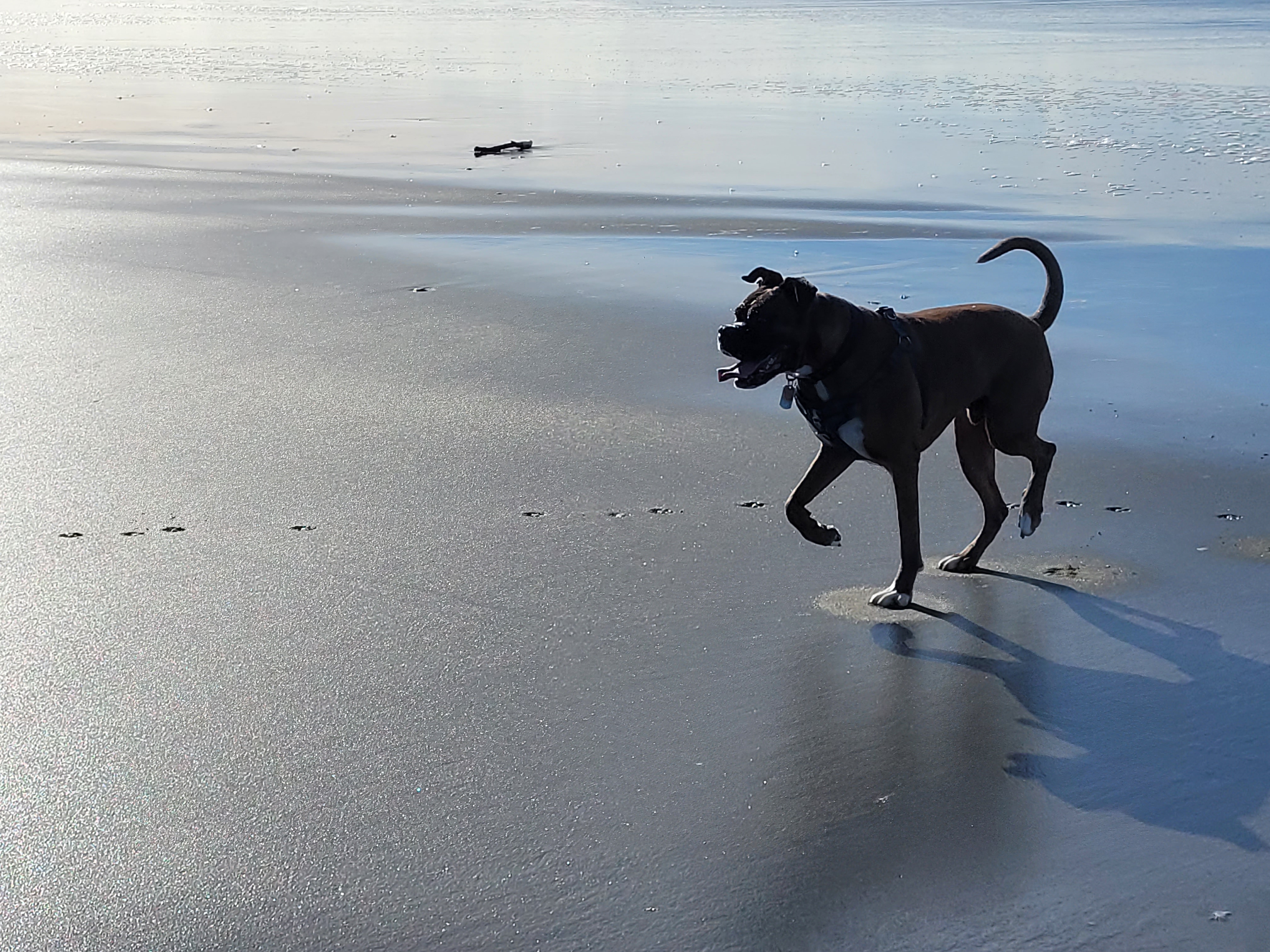
Humboldt's Best Spots for Dogs: Beaches, Forests, and a Well-Earned Treat
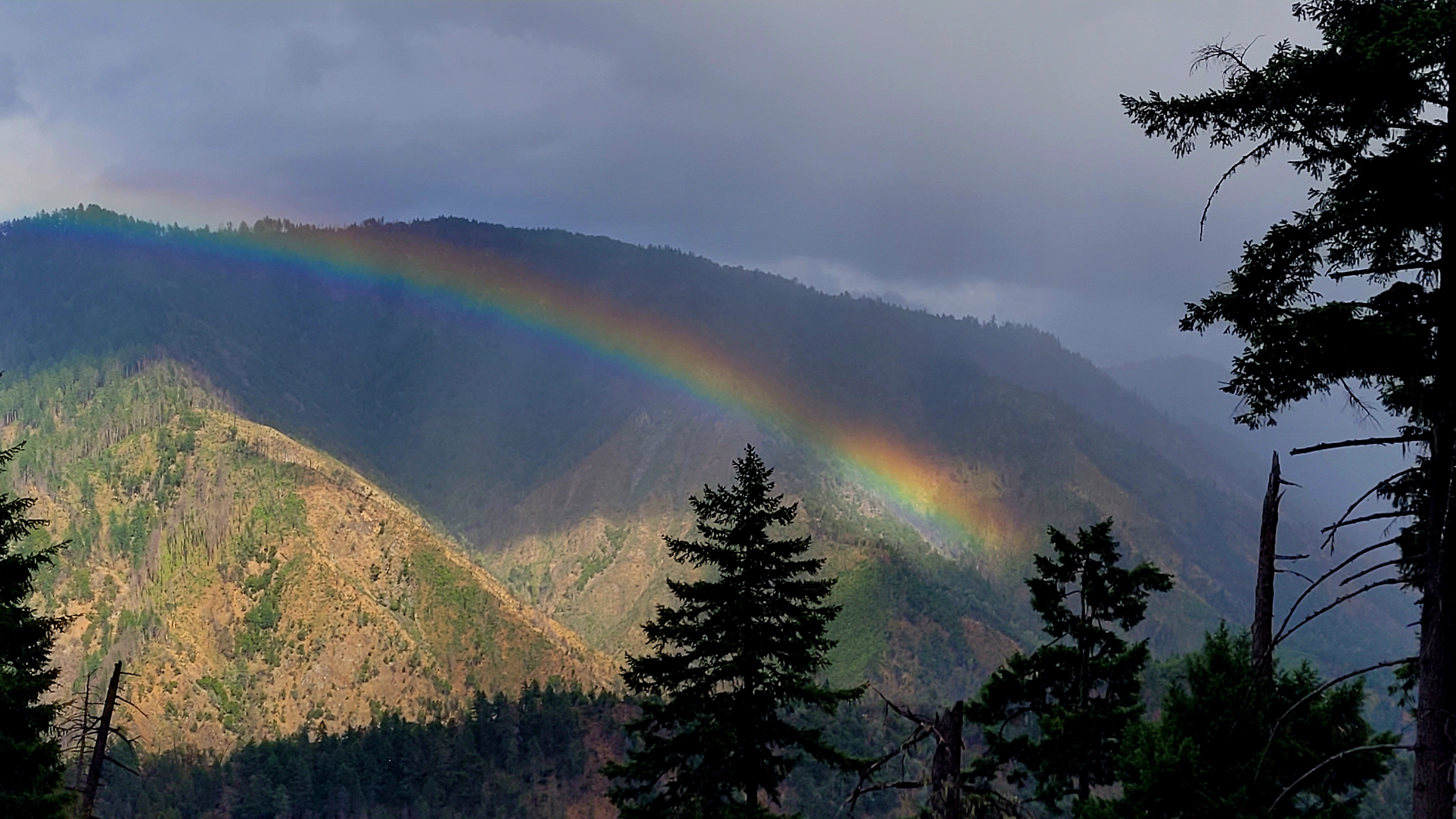
Willow Creek, CA: The Beating Heart of Bigfoot Country
Blue Lake, CA: More Than Meets the Eye on Highway 299

How Can You Experience the Best of Eureka’s January Arts Alive?
Why Should You Visit Southern Humboldt During the Quiet Rainy Season?