Willow Creek, CA: The Beating Heart of Bigfoot Country
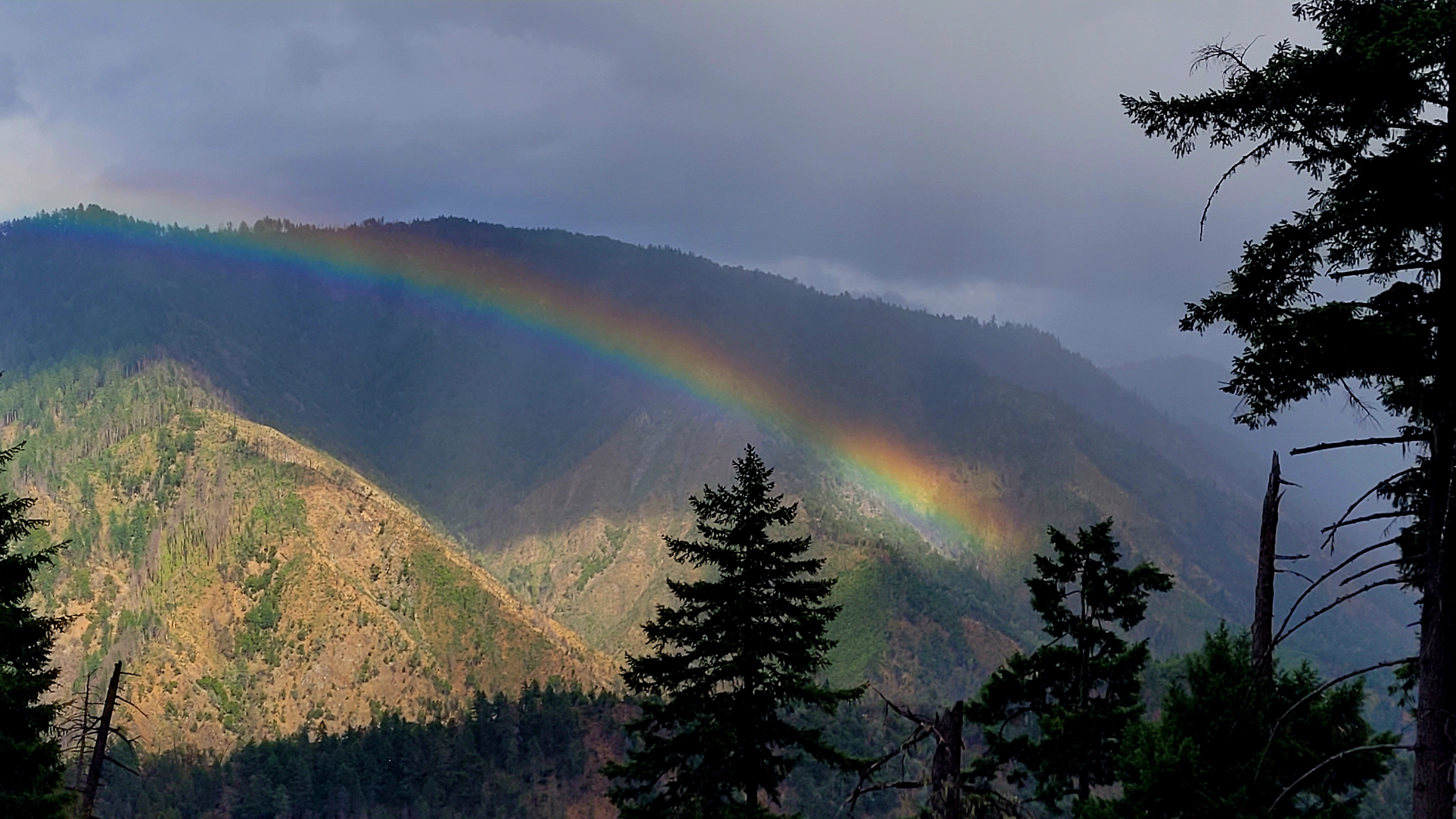
Willow Creek is the epicenter of California bigfoot country, it’s where the 1967 Patterson-Gimlin footage at Bluff Creek turned local legend into a national phenomenon. The history is still honored at China Flat Museum. The Trinity River anchors the town's outdoor life, from guided whitewater rafting to cliff jumping at Kimtu Beach, while an unlikely pocket of farms and one of California's oldest, smallest wine appellations thrive in the surrounding valley. Bigfoot Steakhouse and The Rockslide Bar & Grill round out the experience with the same rugged, unpretentious hospitality that defines this stretch of outlaw country.
Willow Creek sits at the junction of Highway 299 and Highway 96, deep in rugged, outlaw country where the Trinity River cuts through the Six Rivers National Forest and the mountains rise steep on every side. It's remote by design — the nearest stoplight is a long drive in either direction — and that isolation is exactly what's made it legendary. This is the town that put Bigfoot on the map, and it hasn't let go of that identity since. Between the river, the wild terrain, and the cryptid lore baked into every business on Main Street, Willow Creek feels less like a stop on the way to somewhere else and more like its own strange, self-contained frontier.
The Patterson-Gimlin footage and the birth of Bigfoot mania
To understand Willow Creek, you have to start at Bluff Creek, a remote canyon about 20 miles northeast of town. Bigfoot research as a modern phenomenon effectively began here: in October 1958, a bulldozer operator named Jerry Crew found and cast an enormous humanlike footprint nearby, and the press coined the name "Bigfoot" almost overnight. Nearly a decade later, in 1967, two men on horseback — Roger Patterson and Bob Gimlin — shot a shaky, 16mm handheld film along that same creek bed showing a large, bipedal, hair-covered figure striding across the frame. The Patterson-Gimlin footage has been debated, dissected, and never definitively debunked or confirmed ever since, and it remains the single most famous piece of Bigfoot evidence in existence. Willow Creek has worn that legacy proudly: the Bigfoot Highway (Highway 96) runs right past the historic sighting area, and the town has celebrated Bigfoot Daze, an annual parade and festival, since 1964.
China Flat Museum's Bigfoot wing
The best first stop in town is the Willow Creek – China Flat Museum, a small local history museum with an outsized cryptozoology collection. A giant wood-carved Sasquatch, hewn from a redwood, guards the entrance. Inside, alongside exhibits on the area's gold mining, logging, and Native American history — including a full replica miner's cabin — the museum's Bigfoot wing houses the collection of the late Bob Titmus, one of the earliest Bigfoot investigators, who cast a set of large tracks in the Bluff Creek canyon back in 1958 and spent the next 40 years chasing the mystery. The wing opened in 2000 with a dedication from longtime researcher John Green, and today it holds footprint casts, sighting logs visitors can read and add to, newspaper clippings, maps of local encounters, and a blown-up frame from the Patterson-Gimlin film itself. Admission is free, though donations are welcome, and the docents tend to have their own stories to tell.
Rafting and swimming the Trinity River
The Trinity River is Willow Creek's other defining feature, and it earns the "river fun in the mountain sun" motto locals use for it. East of town, the river offers everything from mellow Class I floats to serious Class II-plus whitewater, and several outfitters run guided half-day and full-day trips, complete with cliff jumping and stretches calm enough for a swim break. For something more low-key, Kimtu Beach, just outside downtown, is the classic local swimming hole — a sandy, rocky bank with a roughly 20-foot cliff that draws jumpers all summer, plus deep, slower water upstream that's popular with anglers. Parking runs on an honor-system fee, and given that Willow Creek regularly climbs into the 90s in summer, the cold Trinity water is less a luxury than a necessity.
Farms and wine in a rugged valley
It's easy to forget, surrounded by all this wilderness, that the Trinity River valley around Willow Creek also grows things. Trinity River Farm, a family-run roadside stand on Highway 96 just north of town, has sold fruits, vegetables, nursery plants, and local jams and jellies for decades, open April through October. A few miles out, Willow Creek Farms works about 20 acres of organic row crops and heirloom fruit trees along the river's flood plain. And tucked into the mountains above the water is the Willow Creek AVA, established in 1983 as one of the oldest, smallest, and northernmost wine appellations in California — a mere 60 planted acres across just a handful of vineyards, including Trinity River Vineyards' Gardner Ranch, planted in 1973 and still home to the oldest producing wine grapes in Humboldt County. It's an unlikely wine country, steep and mountainous rather than rolling, but the harvest season brings its own local celebrations to town each fall.
Bigfoot Steakhouse and The Rockslide Bar & Grill
When it's time to eat, Willow Creek offers two distinct outposts of the same rugged hospitality. Right in town on Willow Way, Bigfoot Steakhouse serves hearty, no-frills American fare — steaks, ribs, burgers, and fresh seafood — in a rustic dining room that draws both locals and travelers passing through on 299. A short drive east along the river toward Hawkins Bar and Burnt Ranch, The Rockslide Bar & Grill keeps the coldest beer and the best food on the river, according to its own sign, with a full bar, live music some nights, and a menu built for people who've spent the day on the water. Both places share the same unfussy, backcountry character that defines the whole region — good food, cold drinks, and no pretense about it.
Planning your visit
Willow Creek rewards travelers willing to slow down and lean into its wildness. Start at China Flat Museum to get properly steeped in Bigfoot lore, then cool off at Kimtu Beach or book a rafting trip for the afternoon. If you're around in fall, look for the local wine harvest events tied to the Willow Creek AVA, and swing by Trinity River Farm for produce on your way out of town. Cap the day with a steak at Bigfoot Steakhouse or make the short drive out to The Rockslide for a beer with a river view — either way, you'll leave with a real sense of why this outlaw stretch of the Trinity has held onto its legend for more than sixty years.
Frequently Asked Questions
Yes, admission is free, though donations are welcome and appreciated.
No, Kimtu Beach runs on an honor-system parking fee, so bring cash for the box.
It's a good idea, especially in peak summer months — local outfitters offer half-day and full-day trips, and weekend slots fill up.
It's rocky with a cliff-jumping spot. The water is deep and swift, so it's better suited to strong swimmers and older kids with supervision.
Yes, dogs are commonly seen there, though it's good practice to keep them leashed near the parking and cliff areas. Don't forget your doggie bags if you go. No one likes to share the beach with THAT guy,
No, the roadside stand typically operates April through October.
Yes — Trinity River Vineyards and other local producers pour at area tastings and fall harvest events, and their wines show up at select spots around Humboldt County.
Yes, reservations are available, along with takeout and delivery options.
It's a short drive east on Highway 299 toward Hawkins Bar and Burnt Ranch, right along the river.
Not always — the area is remote and mountainous, so it's smart to download maps or directions before you head out, especially toward Bluff Creek or the river put-ins.
You Can Always Ask Xander
Have more questions about this story or Humboldt County? Xander is here to help.
More Local Stories
Shelter Cove, CA: A Treasure Worth Reaching For
Ferndale, CA: A Cow Town
Blue Lake, CA: More Than Meets the Eye on Highway 299
Seeking a Cozy Winter Escape? Discover Humboldt's Historic B&Bs
Escape to Ferndale: Is a Victorian Winter Weekend Getaway Right for You?
