Why Should You Visit Southern Humboldt During the Quiet Rainy Season?
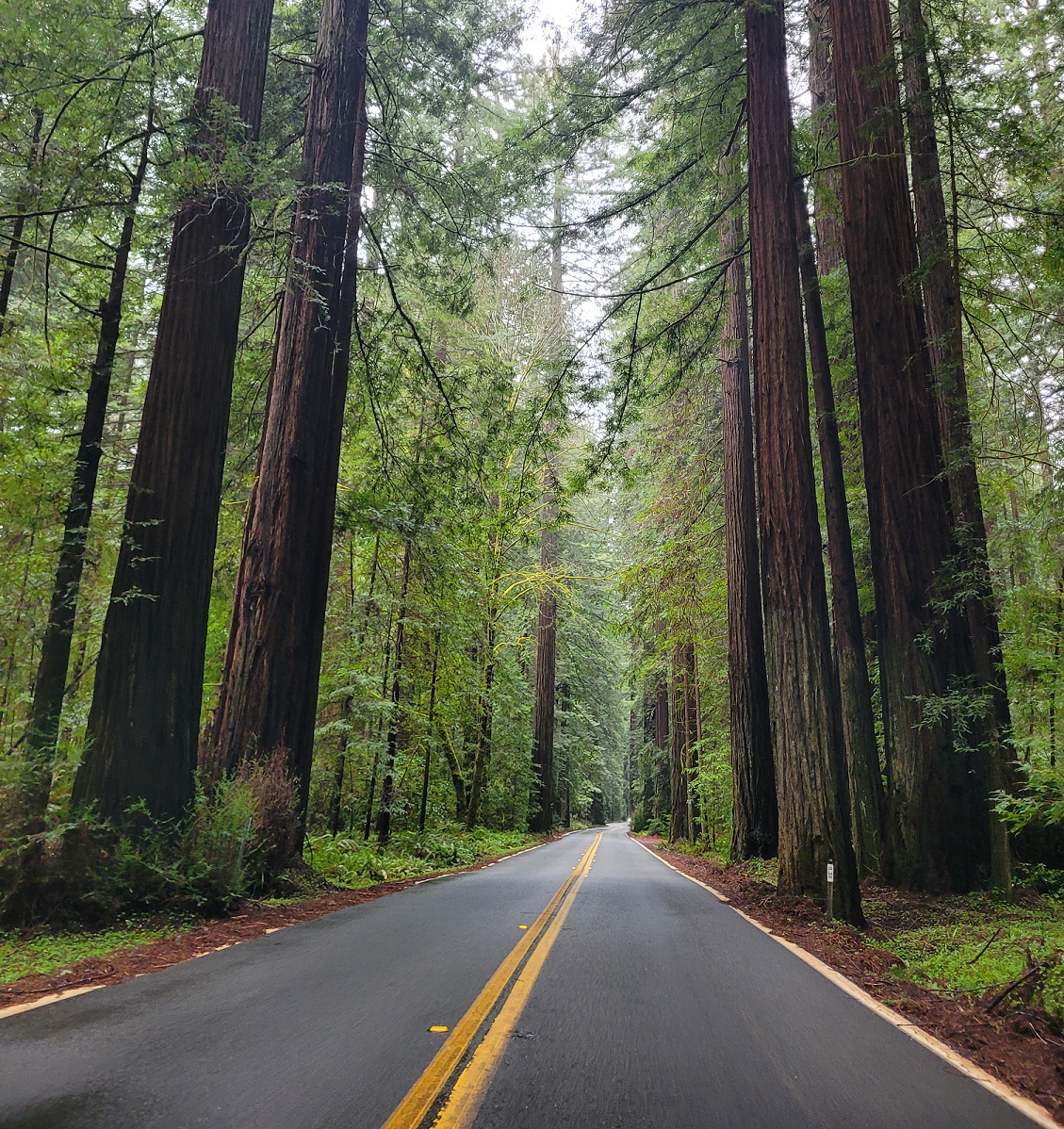
Discover why the rainy season is the best time to visit Southern Humboldt's river towns like Garberville and Redway. Explore local history, nature, and solitude.
The Transformation of the Emerald Forest
When the first heavy rains of November begin to saturate the thirsty soil of Southern Humboldt, a profound transformation occurs. The dusty gold of the summer hillsides gives way to an almost neon green, and the quiet river towns of Garberville and Redway begin to hum with a different kind of energy. While the summer crowds flock to the redwood groves in search of sunshine, those who know the region intimately wait for the clouds to gather. This is the 'Green Season,' a time when the landscape feels most alive, and the rushing creeks provide a soundtrack to life in the Eel River Valley.
For the locals, the arrival of the rain signifies a return to normalcy. The pace of life slows down on Redwood Drive, and the seasonal rush of the 'Redwood Run' tourists fades into memory. In this deep dive, we explore the unique allure of Southern Humboldt during its wettest months, from the historical roots of these river communities to the modern-day experience of living among the giants when the mist hangs low over the canopy.
Historical Roots: From Gold Seekers to Homesteaders
The history of Humboldt County is often framed by its rugged coastline and the maritime hubs of Old Town Eureka and the Trinidad coast. However, the inland river towns have a story all their own. While early explorers like the Spanish first recorded a landing at Trinidad in 1775, the interior of the county remained a frontier for decades longer. According to historical records, the first entrance to Humboldt Bay by an American wasn't until 1806, involving Aleut hunters employed by the Russian-American Company.
As fortune seekers flocked to the area, they initially looked for gold. While Humboldt did not prove to be a major source of gold compared to the Sierra Nevada, the eastern reaches like Willow Creek and Orleans developed mining economies. However, in Southern Humboldt, the focus was different. In the early 1870s, Jacob Garber—a name now synonymous with the region—opened a mercantile in the town that would later become Garberville. History notes that Garber was even 'granted the rights to a ferry across the river,' a vital piece of infrastructure for homesteaders trying to navigate the often-treacherous winter waters of the South Fork Eel River.
A Tale of Two Humboldts
It is worth noting a historical curiosity regarding the 'Humboldt' name. While we associate it with our coastal redwoods, the name is shared with a vast river basin to the east, in Nevada. The City of Winnemucca, for instance, serves as a major hub for the Humboldt River Basin in Nevada. With a population of 8,300 persons recorded in 2025, it stands as a reminder of the sprawling geography named after explorer Alexander von Humboldt. While the Nevada basin is characterized by arid landscapes and mining camps like Unionville (once called Dixie), Southern Humboldt is defined by its water. During the rainy season, the contrast is stark. Here, the 'Humboldt' experience is defined by temperate rainforests and an average annual rainfall that can exceed 60 inches in the higher elevations.
The Rhythms of Redway and Garberville
Today, the economies of these river towns rely on a mix of forestry, fishing, and agriculture. But during the winter, the focus shifts to preservation and preparation. In Redway, the neighbor to the north of Garberville, the atmosphere is distinctly residential and community-oriented. Walking through the streets during a light drizzle, you’ll see the mist rising from the hills that lead toward The Lost Coast. The towering trees seem to soak up the moisture, their bark turning a deep, rich chocolate brown.
The rushing creeks, such as Bear Creek and others that feed into the South Fork, become the main attraction. In the height of summer, these waterways might be gentle trickles, but after a December storm, they are roaring veins of the forest. This is the best time for photography; the diffused light of a gray sky eliminates the harsh shadows of the forest floor, allowing the vibrant mosses and ferns to pop in photos. Visitors often find that they have the most popular trails all to themselves, with only the sound of raindrops hitting the broad leaves of the Bigleaf Maples for company.
Why Local Knowledge Matters in Winter
Navigating Southern Humboldt in the rain requires a bit of local wisdom. The roads can be winding, and the 'Humboldt Mist' can reduce visibility significantly. However, the rewards are immense. Local cafes in Garberville become cozy sanctuaries where you can hear stories of the old days—when the river rose high enough to touch the old bridges or when the snow line dropped low enough to dust the tops of the redwoods. The sense of isolation that once defined the homesteaders who bought provisions from Jacob Garber's mercantile is still palpable today, providing a sense of quiet peace that is hard to find in the more urban centers like Arcata Plaza.
The Future of the River Towns
As we look toward the future, the preservation of the Eel River watershed remains a top priority for the region. The health of the salmon runs depends on these winter rains, and for the people of Southern Humboldt, the rain is not just weather—it is a lifeline. Whether you are exploring the history of the 1775 Spanish landing or simply enjoying a quiet cup of coffee while watching the river rise, the rainy season offers a perspective on Humboldt County that the summer tourists will never truly understand. It is a time of renewal, reflection, and raw natural beauty.
Frequently Asked Questions
Is Garberville safe to visit during heavy rain? Yes, Garberville is safe, but travelers should be cautious of local road conditions and potential minor flooding on smaller backroads. Always check Caltrans District 1 for updates on Highway 101. When was Garberville founded? Garberville was settled in the early 1870s when Jacob Garber opened a mercantile and was granted ferry rights across the river. What is the 'Green Season' in Humboldt? The Green Season refers to the rainy months (typically November through March) when the dry summer hills turn vibrant green and the local creeks and rivers reach their peak flow. Are the redwood parks open during the rainy season? Yes, most parks like Humboldt Redwoods State Park remain open year-round, though some seasonal bridges may be removed and certain trails may be muddy.
You Can Always Ask Xander
Have more questions about this story or Humboldt County? Xander is here to help.
More Local Stories
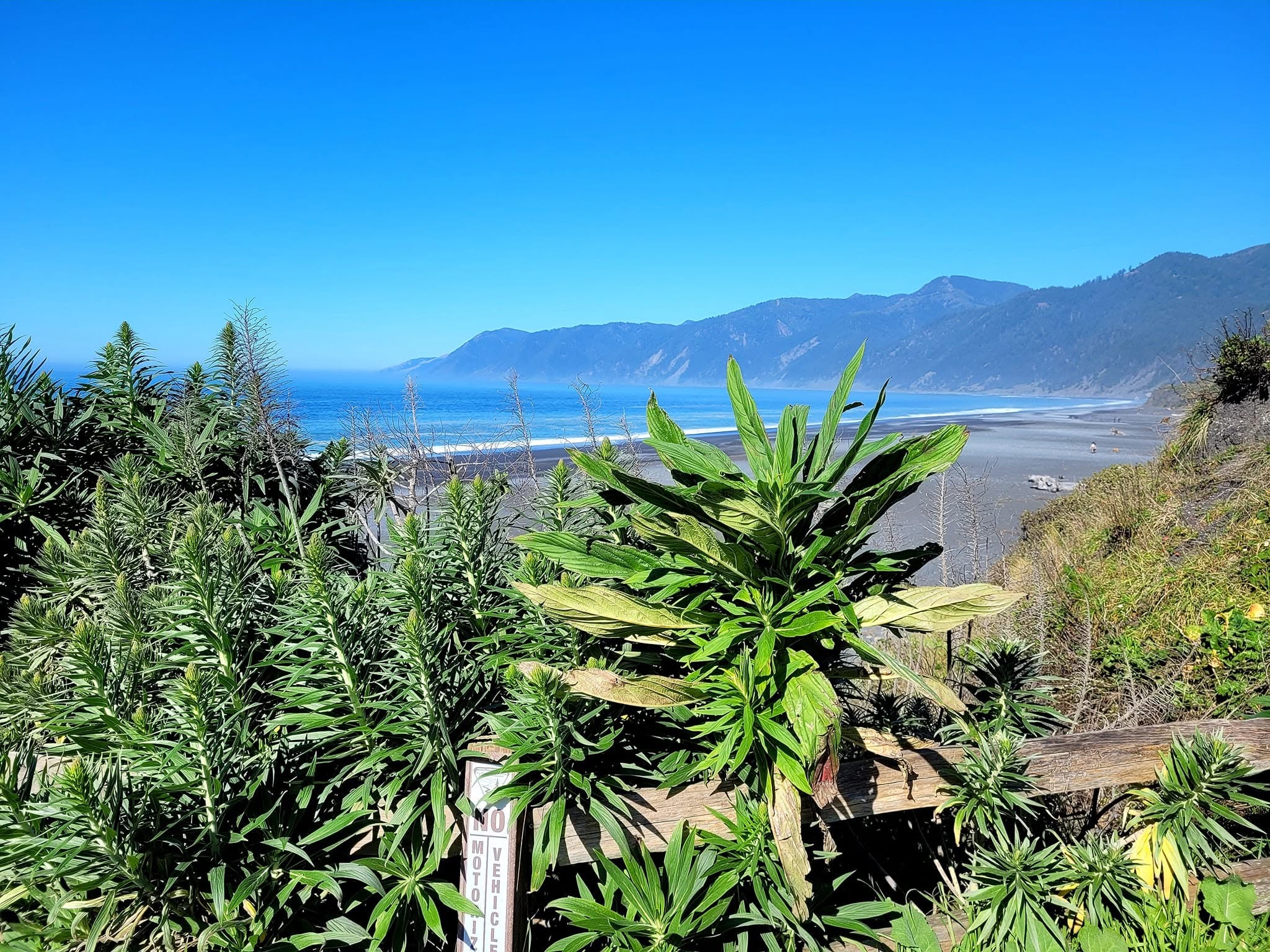
Shelter Cove, CA: A Treasure Worth Reaching For
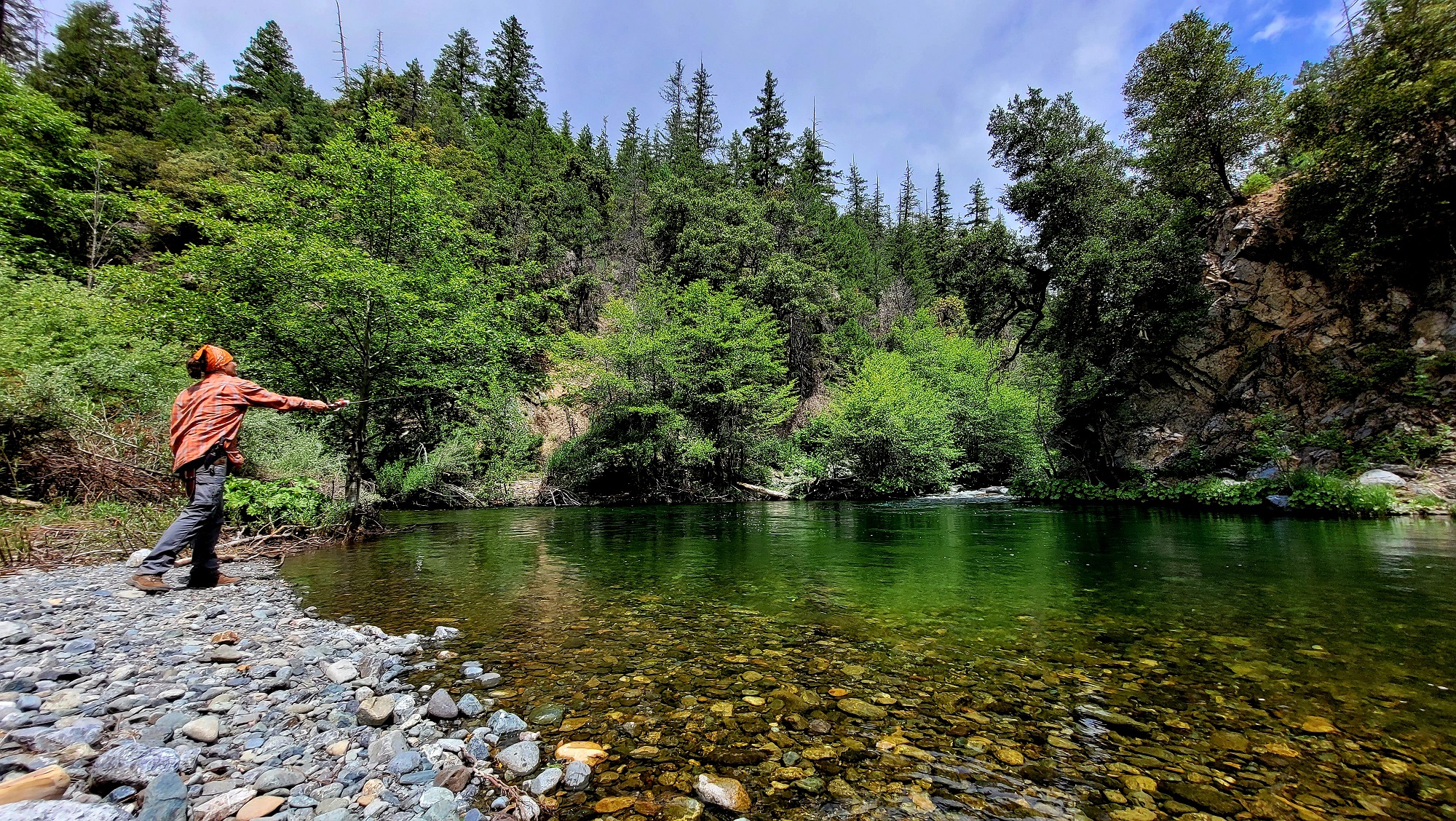
Blue Lake, CA: More Than Meets the Eye on Highway 299
How Can You Experience the Best of Eureka’s January Arts Alive?
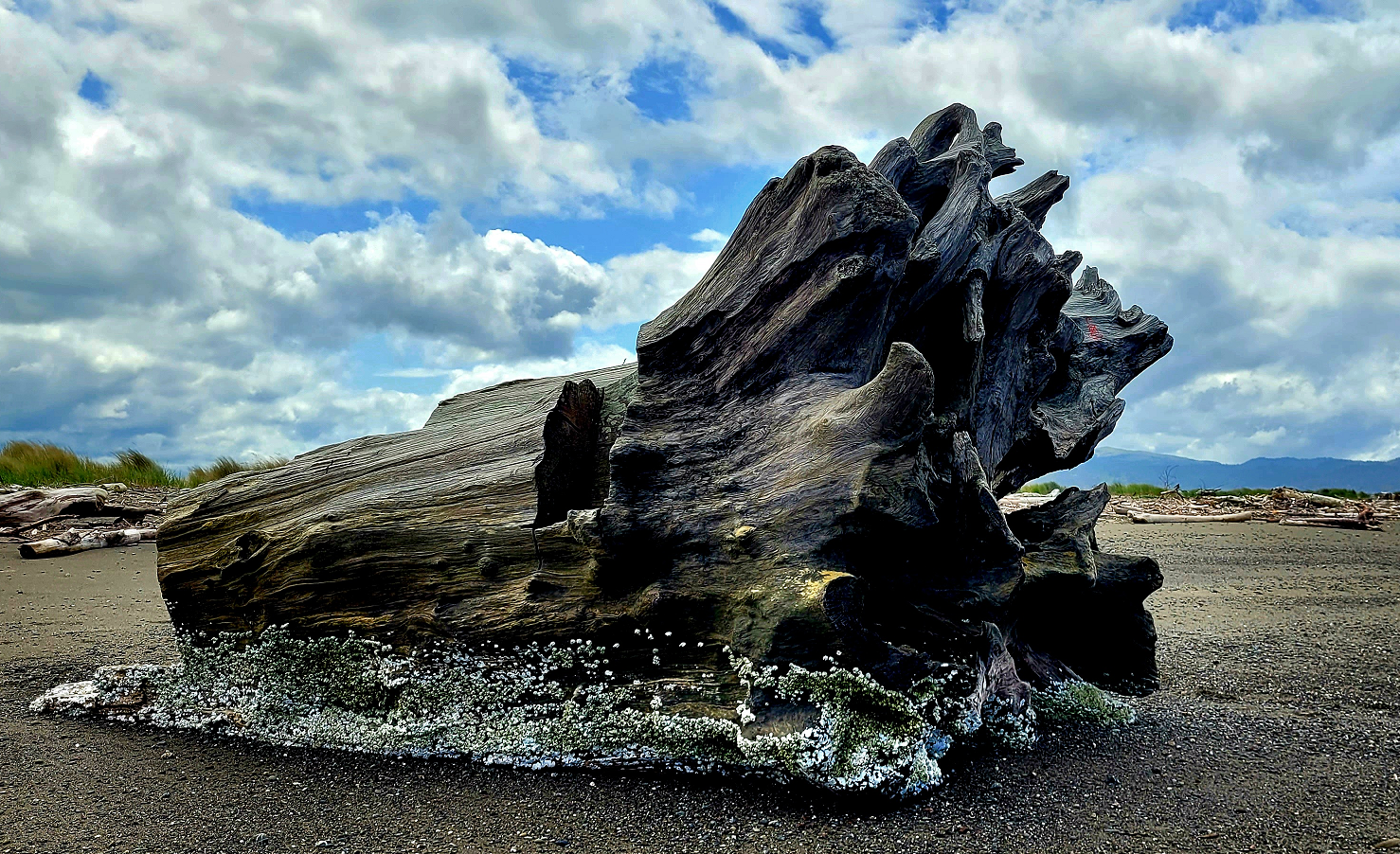
Chasing Fog: How to Capture Humboldt Bay's Winter Magic with Your Camera
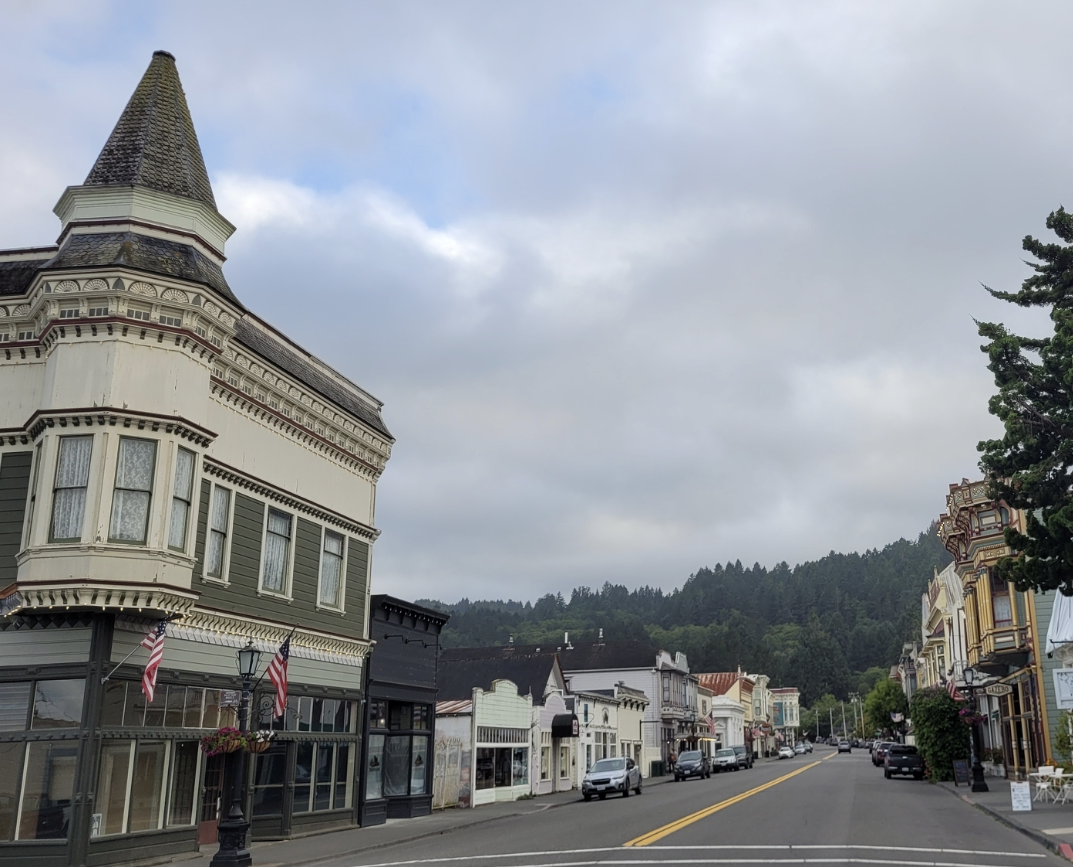
Escape to Ferndale: Is a Victorian Winter Weekend Getaway Right for You?