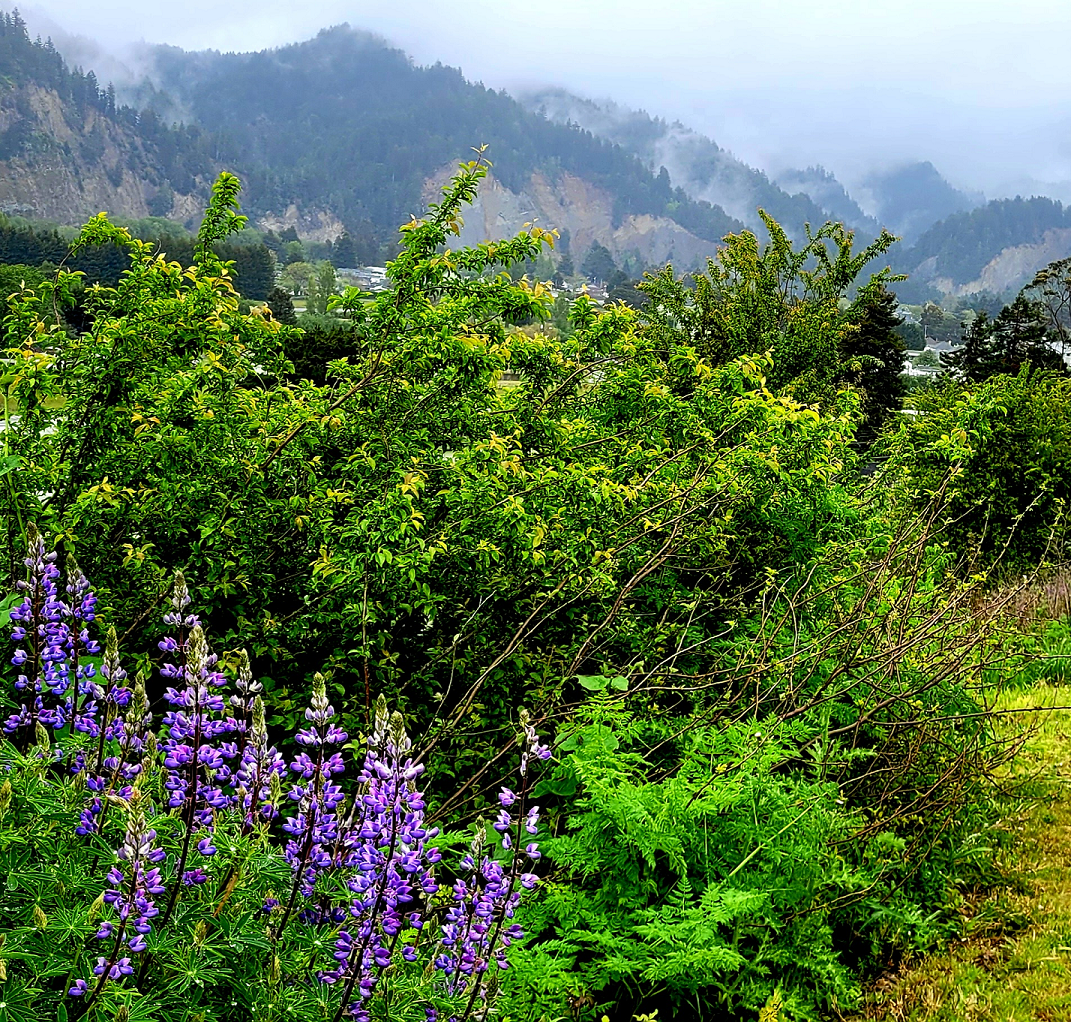
Chasing Fog: How to Capture Humboldt Bay's Winter Magic with Your Camera
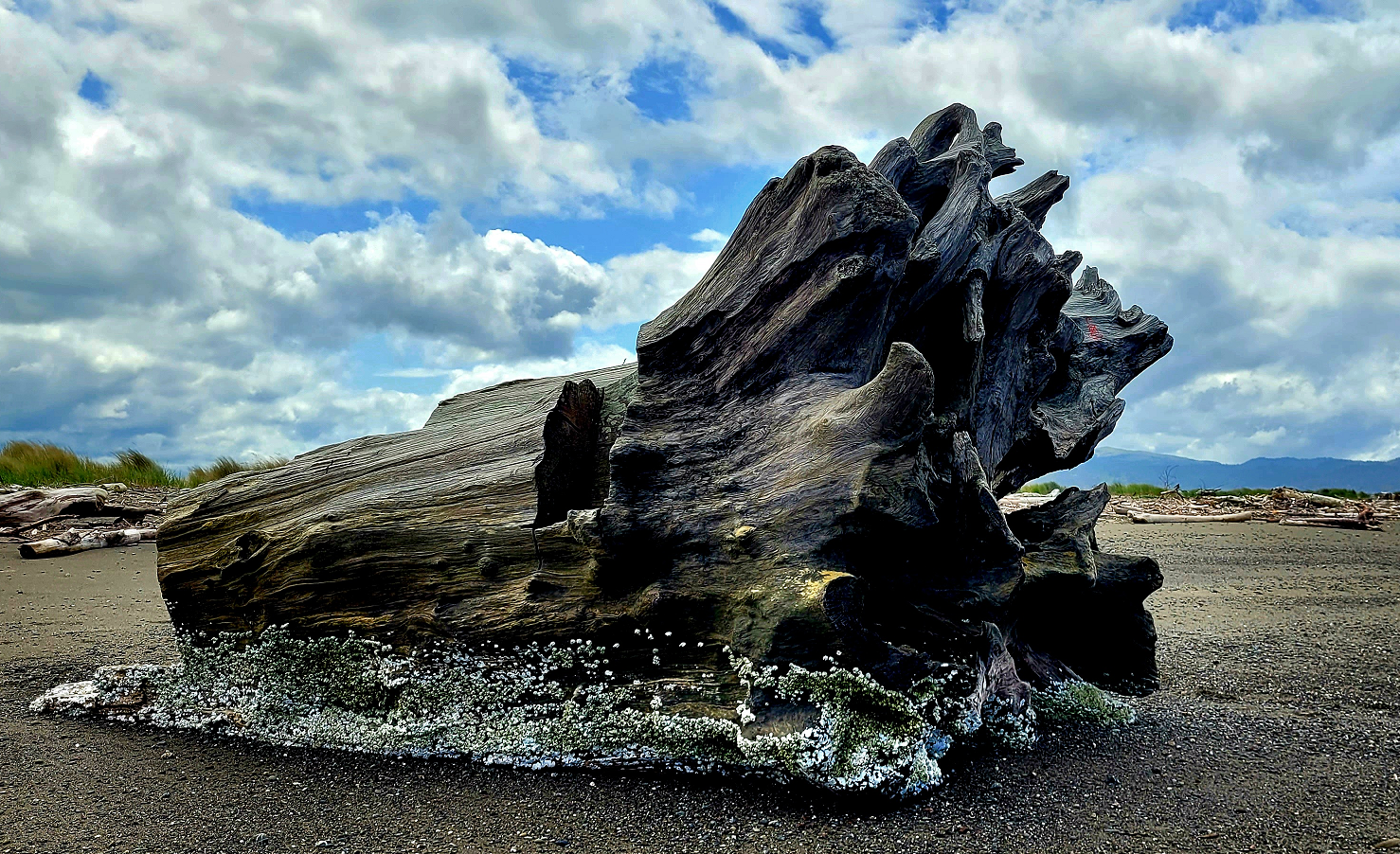
Unlock the secrets to stunning winter fog photography in Humboldt Bay. Capture moody scenes, Victorian architecture, and dramatic skies. Tips, locations, and more!
Embrace the Enigmatic Beauty of Humboldt Bay in Winter
Humboldt Bay in winter offers a unique and captivating subject for photographers. The dense fog that blankets the region, particularly during winter mornings, creates a dramatic and moody atmosphere, transforming familiar landscapes into ethereal scenes. This deep dive explores how to capture the magic of Humboldt Bay's winter fog, from iconic locations to essential techniques.
Imagine the historic buildings of Old Town Eureka shrouded in mist, their Victorian architecture softened by the fog. Picture the harbor, its boats appearing as ghostly silhouettes against the grey backdrop. This is the allure of Humboldt Bay in winter – a chance to create truly unique and evocative images.
Prime Locations for Fog Photography in and around Eureka
Old Town Eureka: The Victorian architecture provides stunning contrast against the dense fog. Focus on capturing the intricate details of the buildings as they emerge from the mist.
Humboldt Bay Waterfront: Capture the moody atmosphere of the harbor, with boats and docks partially obscured by fog. Consider shooting at sunrise for added drama.
Samoa Bridge: Offers panoramic views of the bay and surrounding areas, allowing you to capture the fog rolling in and out.
Sequoia Park: Although not directly on the bay, the towering redwood trees provide an amazing backdrop for the fog, creating an ethereal experience.
Essential Gear for Fog Photography
Camera: Any camera with manual controls will work. A DSLR or mirrorless camera offers greater flexibility, but even a smartphone can capture compelling images.
Lenses: A wide-angle lens (e.g., 16-35mm) is ideal for capturing expansive landscapes. A telephoto lens (e.g., 70-200mm) can isolate specific subjects and create a sense of depth.
Tripod: Essential for sharp images, especially in low-light conditions. The fog often reduces available light, necessitating longer shutter speeds.
Lens Cloth: Fog can create moisture on your lens, blurring your images. Keep a lens cloth handy to wipe it clean.
Weather Protection: Protect your camera from moisture with a rain cover or plastic bag.
Mastering the Techniques of Fog Photography
Exposure: Fog can trick your camera's light meter, resulting in underexposed images. Use manual mode and slightly overexpose your shots to compensate. A good starting point is to add +1 to +2 stops of exposure compensation.
Focus: Fog can make it difficult to focus accurately. Use manual focus and focus peaking (if your camera has it) to ensure sharp images.
Composition: Look for strong compositional elements, such as leading lines, shapes, and patterns, to guide the viewer's eye.
Black and White: Consider converting your images to black and white to enhance the mood and emphasize the tonal contrasts of the fog.
Post-Processing: Use editing software to fine-tune your images. Adjust contrast, brightness, and sharpness to bring out the details and enhance the atmosphere.
Beyond the Technical: Capturing the Essence of Humboldt Bay's Fog
Fog photography is about more than just technical skill; it's about capturing the feeling and atmosphere of the scene. Embrace the stillness, the quiet, and the mystery of the fog. Let it guide your creativity and allow you to see familiar landscapes in a new light.
Safety First: Be Prepared for Winter Weather
Winter weather in Humboldt Bay can be unpredictable. Dress warmly in layers, wear waterproof clothing and shoes, and be aware of your surroundings. Check the weather forecast before you head out, and be prepared to change your plans if necessary. Visibility can be drastically reduced in heavy fog, so exercise caution when driving or walking near roads.
Frequently Asked Questions
What is the best time of day to photograph fog in Humboldt Bay? Early morning is often the best time to capture fog. The light is soft and diffused, and the fog is often at its thickest. What camera settings should I use for fog photography? Use manual mode and adjust your settings based on the specific conditions. Start with a wide aperture (e.g., f/2.8 or f/4) to let in as much light as possible, and increase your ISO if necessary. Use a tripod to allow for longer shutter speeds. How do I protect my camera from moisture in the fog? Use a rain cover or plastic bag to protect your camera from the elements. Keep a lens cloth handy to wipe away any moisture that accumulates on your lens. Are there any photography workshops or groups in the Eureka area? Yes, check local community centers and online photography forums for workshops and meetups. Also contact local camera stores as they sometimes host group shoots. Cal Poly Humboldt also has a photography club.
You Can Always Ask Xander
Have more questions about this story or Humboldt County? Xander is here to help.
More Local Stories
Shelter Cove, CA: A Treasure Worth Reaching For
Blue Lake, CA: More Than Meets the Eye on Highway 299

How Can You Experience the Best of Eureka’s January Arts Alive?
Rainy Day Blues in Arcata? Discover Cozy Indoor Activities!

Craving Comfort? Your Guide to a Delicious Winter Food Crawl in Eureka